
Silicone & Acrylic Commercial Roofing Systems
Extend the Life of Your Commercial Roof With Silicone & Acrylic Coatings
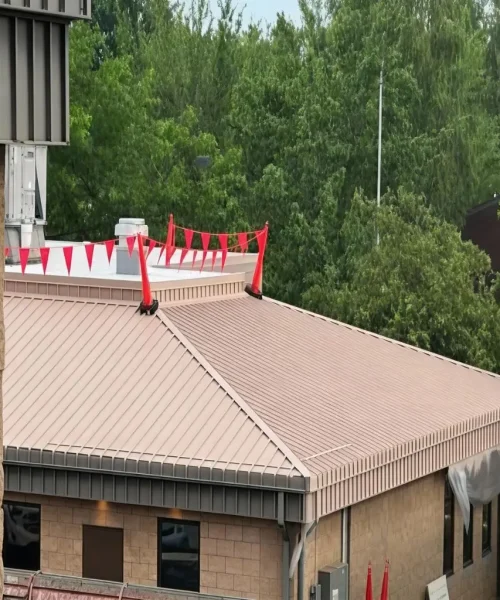
Silicone and acrylic roof coatings are two of the most effective ways to restore and protect aging commercial and industrial roofs without the need for costly tear-offs. Both systems create a seamless, waterproof barrier that resists ponding water, blocks harmful UV rays, and withstands Pennsylvania’s harsh freeze-thaw cycles.
Businesses in Lock Haven, State College, Williamsport, and surrounding areas rely on RTG Solutions to install silicone and acrylic coatings tailored to their facility needs. While silicone coatings excel in ponding-water resistance and long-term durability, acrylic coatings offer excellent reflectivity, affordability, and energy efficiency. Together, these systems provide versatile, cost-effective solutions that reduce maintenance demands, extend roof lifespans, and maximize return on investment.
Compatible with single-ply membranes, modified bitumen, and metal roofing systems, both silicone and acrylic coatings deliver decades of performance while lowering utility costs and protecting facilities from future weather damage.
Extend the Life of Your Commercial Roof With Silicone & Acrylic Coatings
Silicone and acrylic roof coatings are two of the most effective ways to restore and protect aging commercial and industrial roofs without the need for costly tear-offs. Both systems create a seamless, waterproof barrier that resists ponding water, blocks harmful UV rays, and withstands Pennsylvania’s harsh freeze-thaw cycles.
Businesses in Lock Haven, State College, Williamsport, and surrounding areas rely on RTG Solutions to install silicone and acrylic coatings tailored to their facility needs. While silicone coatings excel in ponding-water resistance and long-term durability, acrylic coatings offer excellent reflectivity, affordability, and energy efficiency. Together, these systems provide versatile, cost-effective solutions that reduce maintenance demands, extend roof lifespans, and maximize return on investment.
Compatible with single-ply membranes, modified bitumen, and metal roofing systems, both silicone and acrylic coatings deliver decades of performance while lowering utility costs and protecting facilities from future weather damage.
Pros of Silicone Roof Coatings for Commercial Buildings
Silicone roof coatings are one of the most effective roof restoration coating solutions for commercial and industrial buildings in Central Pennsylvania. Applied directly over an existing roof, silicone creates a seamless, waterproof roof coating that resists ponding water, blocks damaging UV rays, and withstands freeze-thaw cycles common in the region. By avoiding a costly tear-off, building owners benefit from reduced downtime, lower maintenance demands, and extended roof life. These reflective coatings also improve energy efficiency, helping businesses cut utility costs while protecting valuable assets. For property managers seeking a long-term, cost-effective solution, silicone coatings deliver dependable performance and protection that keeps operations running smoothly.
Resistance to Ponding Water
Unlike acrylic or asphalt coatings, silicone is hydrophobic, meaning it literally repels water! This makes it one of the only roof coating options that can withstand continuous ponding without softening, bubbling, or peeling. That’s critical for flat commercial roofs in Pennsylvania where drainage isn’t always perfect.
Minimal Thickness Loss Over Time
Other coatings erode when exposed to UV radiation, gradually thinning out. Silicone retains its film thickness and elasticity for decades, even under constant sunlight. This means fewer reapplications and a longer service life compared to acrylic or elastomeric coatings.
Chemical & Environmental Resistance
Silicone roof coatings resist degradation from industrial pollutants, acid rain, and chemical exposure. For facilities near manufacturing hubs, airports, or heavy traffic corridors, this helps maintain a watertight barrier in harsher environments where other coatings break down.
Application Versatility and Adhesion
Silicone adheres strongly to a wide range of substrates, including aged metal, EPDM, TPO, PVC, and modified bitumen, with minimal surface prep. That makes it an efficient restoration choice for older roofs that still have structural integrity but need a performance upgrade without the disruption of a full tear-off.
Dirt Pickup and Surface Aesthetics
Silicone coatings have a tacky surface that attracts dirt and airborne particles over time. While this doesn’t typically impact performance, it can reduce reflectivity and lower the energy-saving “cool roof” benefits if the roof isn’t periodically cleaned.
Higher Upfront Material Cost
While silicone coatings often save money by avoiding full tear-offs, the per-gallon material price is typically higher than acrylics or elastomeric coatings. For large roof areas, the initial cost can be a hurdle for budget-sensitive projects, even if lifecycle savings even it out.
Potentially Slick Surface When Wet
The same hydrophobic properties that make silicone excellent at resisting ponding water also make its surface slippery when rain or condensation is present. This poses safety risks for workers performing inspections or maintenance, requiring added precautions.
Limited Recoat Compatibility
Not all roof coatings adhere well to cured silicone. If a recoat is required years later, additional prep or even a primer may be necessary to ensure adhesion. This can raise long-term maintenance costs compared to systems that more easily accept new layers.
Potential Drawbacks of Silicone Roof Coatings for Commercial Roofs
While silicone roof coatings are a proven solution for extending the life of aging commercial roofs, they are not without limitations. Facility managers in Central Pennsylvania considering silicone should understand the potential trade-offs. Recognizing these drawbacks helps property owners make informed decisions and choose the best roof restoration system for their performance goals and their long-term budget. At RTG Solutions, our experienced team of commercial roofing contractors will walk you through all the pros and cons of every roofing system so you can be confident you are making the right choice for your business.
Pros of Acrylic Roof Coatings for Commercial Buildings
Acrylic roof coatings are one of the most widely used roof restoration solutions for commercial and industrial buildings across Central Pennsylvania. Applied directly over existing roofing systems, acrylic creates a seamless, reflective surface that deflects harmful UV rays and improves building energy efficiency. By avoiding the cost of a full commercial roof tear-off, facility managers can extend the life of their roofs while controlling maintenance budgets. Acrylic coatings are water-based, environmentally friendly, and quick to install, minimizing downtime for businesses. Property owners also benefit from their versatility, as acrylic adheres well to metal, modified bitumen, single-ply membranes, and other common materials. For organizations seeking an affordable and effective way to extend roof life while reducing energy costs, acrylic roof coatings deliver dependable performance and value.
High UV Reflectivity & Energy Savings
Acrylic roof coatings are among the most reflective options available, making them ideal for businesses in Central Pennsylvania that want to cut cooling costs. By bouncing harmful UV rays away from the roof surface, acrylic coatings help stabilize indoor temperatures and reduce energy demand, which can translate into significant long-term savings.
More Cost-Effective Application
Compared to silicone, acrylic coatings typically come at a lower upfront cost. This makes them especially appealing for facility managers or property owners working within tight budgets but who still need reliable roof protection. Acrylics can extend the life of an existing roof without the expense of a complete tear-off, offering a budget-conscious way to maintain roof performance.
Ease and Speed of Application
Acrylic coatings are water-based, which allows for easier application and cleanup. They cure quickly in the right weather conditions, minimizing business disruption during installation. For property managers who want a fast and efficient roof restoration with minimal downtime, acrylic is often the go-to option.
Compatible with Multiple Substrates
Versatility is another strength. Acrylic coatings adhere well to a range of commercial roof types, including metal roofs, modified bitumen, single-ply membranes, and built-up roofing systems. This adaptability makes them an excellent option for facilities with different roof structures across multiple properties.
Poor Ponding Water Resistance
The biggest drawback of acrylic roof coatings is their vulnerability to ponding water. While they perform well on sloped or pitched commercial roofs, they degrade more quickly on flat roofs where water may collect after heavy rainfall. In Central Pennsylvania’s wet climate, this limitation should be considered before selecting acrylic.
More Frequent Recoats
Although the upfront cost is lower, acrylic coatings usually require more frequent recoating to maintain performance compared to silicone. Facility managers should plan for reapplication every 8–12 years depending on roof conditions and weather exposure. This ongoing maintenance can add to lifecycle costs over time.
Shorter Average Service Life
While acrylic roof coatings provide reliable protection, they don’t match the lifespan of silicone systems. On average, acrylics last 8–12 years before needing major maintenance or reapplication, compared to the 15–20 years possible with silicone. This makes them a good option for short- to mid-term solutions but less ideal for those seeking maximum longevity.
Temperature Sensitivity
Acrylics are more sensitive to extreme cold or damp conditions at the time of application. If applied in poor weather, their adhesion and durability can suffer, shortening the expected service life. For best results, acrylic coatings must be applied during specific temperature ranges, which can narrow the installation window in certain seasons.
Potential Drawbacks of Acrylic Roof Coatings for Commercial Roofs
While acrylic roof coatings provide reliable protection and cost savings, they also come with limitations that must be considered. The most significant drawback is their poor resistance to ponding water, which can accelerate breakdown on low-slope or flat commercial roofs common in Pennsylvania. Acrylics are also more sensitive to application conditions, requiring dry weather and moderate temperatures to ensure proper adhesion and long-term performance. In colder or wetter climates, their lifespan can be shortened if installation is rushed or poorly timed. Compared to silicone, acrylic coatings typically need more frequent recoating, adding to lifecycle costs over time. They may also chalk, fade, or pick up dirt, slightly reducing reflectivity and requiring periodic maintenance. With an expected service life of 8–12 years, acrylic roof coatings are best suited for sloped or well-drained commercial roofing systems rather than facilities exposed to frequent ponding or extreme weather.


Silicone vs. Acrylic Roof Coatings: Which Is Right for Your Commercial Roof?
Both silicone and acrylic roof coatings are proven systems for extending the life of commercial roofs in Pennsylvania, but they excel under different conditions. Silicone roof coatings deliver superior resistance to ponding water, longer service life (15–20 years), and strong performance in areas with heavy rain or standing water. They require less frequent recoating, making them a durable long-term investment. Acrylic roof coatings, on the other hand, are more cost-effective up front, highly reflective for energy savings, and environmentally friendly due to their water-based formulation. They perform best on sloped or well-drained roofing systems where ponding water is less of a concern.
For property managers and facility owners comparing silicone vs. acrylic coatings, the choice often comes down to budget, roof slope, and climate. Silicone is the premium option for maximum protection and longevity, while acrylic offers a balance of affordability and efficiency for commercial buildings with proper drainage.
Not sure which system is right for your facility? Contact RTG Solutions today to speak with an experienced commercial roofing contractor and determine the best coating for your building’s performance goals and budget.
Silicone and Acrylic Commercial Roof Coating FAQs
Silicone Roof Coating FAQs
Silicone Roof Coating FAQs
A properly installed silicone roof coating can last between 10 and 20 years, depending on climate conditions and roof maintenance. Unlike traditional roofing systems that often require complete replacement, silicone coatings can usually be reapplied over the existing layer at the end of their service life. This “recoatability” means property owners don’t face the cost and disruption of a full tear-off. In Central Pennsylvania, where freeze-thaw cycles are common, silicone’s flexibility allows it to expand and contract with temperature changes without cracking. With regular inspections and basic upkeep, such as cleaning off dirt or debris that may compromise reflectivity, silicone roof systems can provide a reliable and cost-effective long-term solution for businesses looking to maximize roof performance while minimizing life-cycle costs.
Yes, one of the biggest advantages of silicone roof coatings is their ability to be applied directly over many common commercial roof types, including metal, TPO, EPDM, PVC, and modified bitumen. As long as the roof deck is structurally sound, silicone can serve as a restoration system rather than a replacement. This avoids costly tear-offs, reduces landfill waste, and minimizes downtime for businesses. Surface preparation is usually straightforward, requiring cleaning and priming in some cases, but it’s far less invasive than replacing an entire roof. For property managers in Pennsylvania, this makes silicone a practical upgrade option for aging roofs that still have good structural integrity but need enhanced waterproofing and UV protection. The ability to extend an existing roof’s lifespan while avoiding major disruptions is why silicone coatings have grown so popular among RTG Solution’s commercial roofing applications.
Yes, silicone coatings are highly reflective and help reduce rooftop temperatures by minimizing heat absorption. By lowering the surface temperature of a building, they reduce the strain on HVAC systems, especially during hot Pennsylvania summers. This energy efficiency can translate into significant savings on cooling costs over time, particularly for large commercial or industrial buildings with expansive roof areas. In addition, silicone’s reflective “cool roof” effect can extend the life of underlying roofing materials by reducing thermal stress and UV degradation. Some facility managers report energy savings of 15–30% after installing silicone coatings. While actual savings depend on the building’s design and energy usage, silicone remains one of the most cost-effective ways to improve energy efficiency and sustainability in commercial roofing.
Yes, unlike many other roofing materials, silicone is naturally hydrophobic, meaning it resists water absorption and ponding. This makes it an excellent option for flat or low-slope roofs that often struggle with drainage issues. In Pennsylvania’s climate, where heavy rains and snowmelt can create pooling water, silicone provides a protective barrier that doesn’t degrade or blister under standing water. This durability helps prevent leaks and extends the roof’s service life, making silicone coatings a superior choice for facilities with challenging roof slopes. Ponding water is one of the most common failure points we see in commercial roofing systems at RTG Solutions, but silicone stands out by maintaining adhesion and waterproofing even under constant exposure. For business owners, this means fewer repairs, lower maintenance costs, and greater peace of mind during wet seasons.
Silicone coatings are known for being low-maintenance compared to other commercial roofing systems, but they still benefit from regular care. The most common task is cleaning the roof surface to prevent dirt and airborne particles from dulling the reflective “cool roof” surface. In Central Pennsylvania, seasonal debris such as leaves or snowmelt residue can collect and should be cleared to preserve reflectivity. Annual inspections are recommended to check for damage or wear at seams, penetrations, and flashing. In most cases, repairs are simple and additional silicone can be applied to restore waterproofing. Unlike acrylics or elastomeric coatings, silicone rarely needs frequent reapplication, which makes it cost-effective over the long term. With minimal upkeep, businesses can expect consistent performance and durability, making silicone an attractive option for property managers seeking dependable roofing with fewer headaches.
While acrylic and elastomeric coatings have their place in commercial roofing, silicone is often the superior choice in terms of durability and resistance to ponding water. Acrylic coatings may cost less upfront, but they tend to break down more quickly under standing water and may require more frequent recoating. Elastomeric coatings provide good flexibility, but they often lack the UV resistance and long-term waterproofing that silicone delivers. For property owners in Central Pennsylvania, where roofs are exposed to both intense summer sun and heavy snowmelt, silicone offers the best balance of performance, longevity, and energy savings. Though silicone coatings have a higher initial material cost, their extended service life, reduced maintenance needs, and ability to recoat without a tear-off often make them the more economical choice in the long run.
Acrylic Roof Coating FAQs
Acrylic Roof Coating FAQs
A properly applied acrylic roof coating typically lasts 10 to 15 years, depending on climate, roof slope, and maintenance. Unlike silicone, acrylics may require more frequent recoating, but they provide reliable performance when applied in the right conditions and on well-drained roofing systems.
Yes. Acrylic roof coatings can be applied over a wide variety of commercial roofing substrates, including metal, modified bitumen, single-ply membranes, and built-up roofing systems. Proper preparation and dry application conditions are essential to ensure adhesion and long-term durability.
Absolutely. Acrylic coatings are known for their high reflectivity, which helps deflect UV rays, lower roof surface temperatures, and reduce cooling costs for commercial buildings. This makes them a cost-effective choice for facilities looking to improve energy efficiency.
Not as well as silicone. Acrylics are not recommended for flat roofs with ponding water issues, as they can degrade more quickly under standing water. They perform best on sloped or pitched roofs where drainage is effective.
To maintain reflectivity and performance, acrylic roofs should be inspected regularly and cleaned of dirt or debris. Periodic recoating is usually required every 8–12 years to extend service life and ensure consistent waterproofing and energy efficiency.
Acrylic coatings are less expensive up front, highly reflective, and environmentally friendly due to their water-based formulation. However, they have a shorter service life and weaker ponding water resistance compared to silicone. For commercial buildings with sloped roofs and tight budgets, acrylic is often the more practical choice.