
Historical Restoration Roofing
What Is Historical Restoration?

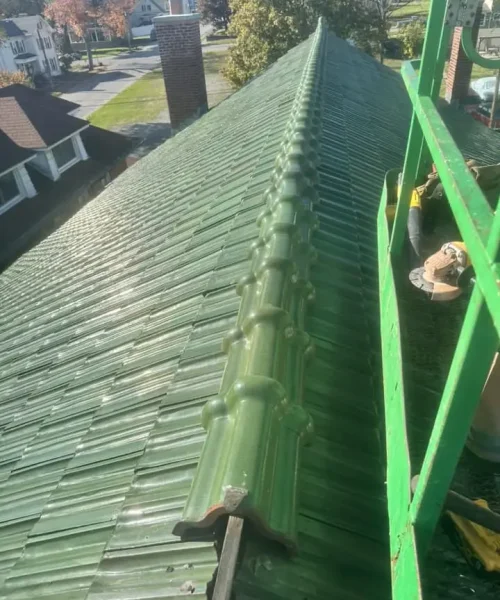
Historical roof restoration is the specialized process of repairing and preserving original roofing systems on older and historically significant buildings. Unlike standard commercial roof repairs, restoration work focuses on maintaining the architectural integrity of structures while upgrading them with modern roofing materials for long-term performance.
At RTG Solutions, we understand the unique challenges of working on historic properties across Lock Haven, Williamsport, State College, and the surrounding Central Pennsylvania region. From slate and copper roofs to aged flat systems, our team carefully repairs, replaces, or reinforces materials in a way that protects the building’s character while meeting today’s performance standards.
Whether it’s stopping water intrusion, replacing missing or deteriorated materials, or extending the service life of a historically important structure, we deliver restoration solutions that balance tradition with technology.
What Is Histroic Roof Restoration?
Historical roof restoration is the specialized process of repairing and preserving original roofing systems on older and historically significant buildings. Unlike standard commercial roof repairs, restoration work focuses on maintaining the architectural integrity of structures while upgrading them with modern roofing materials for long-term performance.
At RTG Solutions, we understand the unique challenges of working on historic properties across Lock Haven, Williamsport, State College, and the surrounding Central Pennsylvania region. From slate and copper roofs to aged flat systems, our team carefully repairs, replaces, or reinforces materials in a way that protects the building’s character while meeting today’s performance standards.
Whether it’s stopping water intrusion, replacing missing or deteriorated materials, or extending the service life of a historically important structure, we deliver restoration solutions that balance tradition with technology.
Common Challenges in Historical Roof Restoration
Restoring historic roofs requires specialized knowledge and attention to detail. Over decades, materials deteriorate, designs become outdated, and structural issues arise. These are some of the most common challenges property owners face when repairing or restoring historic roofing systems.
Deterioration of slate, clay tile, or copper roofs over decades
Slate, clay tile, and copper roofs are known for their durability, but even these materials wear down after decades of exposure. Cracking, spalling, or corrosion can compromise the roof’s integrity and threaten the building’s preservation.
Structural issues with old decking or support systems
Many historic roofs rely on wood decking and support structures that weaken over time. Moisture infiltration, rot, or shifting foundations can cause sagging or unsafe conditions that must be addressed during restoration.
Water damage from outdated flashing or drainage designs
Early drainage systems were not designed for today’s climate conditions. Outdated flashing and drainage lead to ponding water, leaks, and interior damage, making upgrades essential in any restoration project.
Matching replacement materials to the original
One of the biggest challenges is sourcing materials that replicate the original roof design. Using slate, copper, or terracotta tiles that match the color, texture, and profile of historic materials ensures the restoration is both functional and authentic.
Slate, copper, and tile restoration
Restoring slate, copper, and terracotta tiles involves careful removal, repair, or replacement of damaged sections while preserving as much of the original roof as possible. These materials provide unmatched longevity and aesthetic value to historic structures.
Flat roof systems on older buildings
Many historic commercial buildings feature flat or low-slope roofs. Restoration may involve replacing outdated membranes with durable EPDM or TPO systems while reinforcing the original structure to handle modern demands.
Use of modern underlayments or roof coatings
Advanced underlayments and protective roof coatings add an extra layer of defense against moisture and UV damage. These modern products extend the lifespan of historic roofs without altering their appearance.
Compliance with historic preservation standards
Every project must meet local and federal historic preservation standards. This means balancing modern roofing performance with architectural integrity, ensuring safety, energy efficiency, and compliance with all preservation guidelines.
Materials & Techniques for Historic Roofing Projects
Successful historic roof restoration blends traditional craftsmanship with modern protective measures. These roofs can be fragile, but each carries a legacy that we know it is our job to preserve at RTG. Here are some of the key materials and methods roofing experts use to preserve the past while meeting today’s performance standards.
Benefits of Professional Historical Roof Restoration
Historic buildings are more than structures, they are part of a community’s identity. Professional roof restoration ensures these properties are protected for the future while meeting preservation standards and providing long-lasting performance.
Protects architectural and community heritage
Professional restoration preserves original materials and craftsmanship, helping maintain the unique architectural identity of historic buildings while safeguarding community heritage.
Extends service life and prevents costly repairs
By addressing hidden damage and reinforcing aging roof systems, restoration extends the lifespan of historic roofs and reduces the need for expensive emergency repairs or full replacements.
Increases property value and compliance with preservation laws
Certified restoration work increases the market value of historic properties while ensuring compliance with federal, state, and local historic preservation regulations.
Enhances energy efficiency with proper sealing and insulation
Modern restoration techniques improve insulation and reduce air leaks without altering the roof’s historic character, lowering long-term energy costs for building owners.


RTG's Historic Roof Restoration and Replacement Projects
Historic restoration is equal parts craftsmanship and restraint. The goal is to preserve the building’s character while rebuilding the roof system to perform like a modern commercial assembly. These projects show how RTG handles sensitive details, careful tie-ins, and clean jobsite control, so the finished work looks right and lasts.
Historic Roof Replacement & New Construction
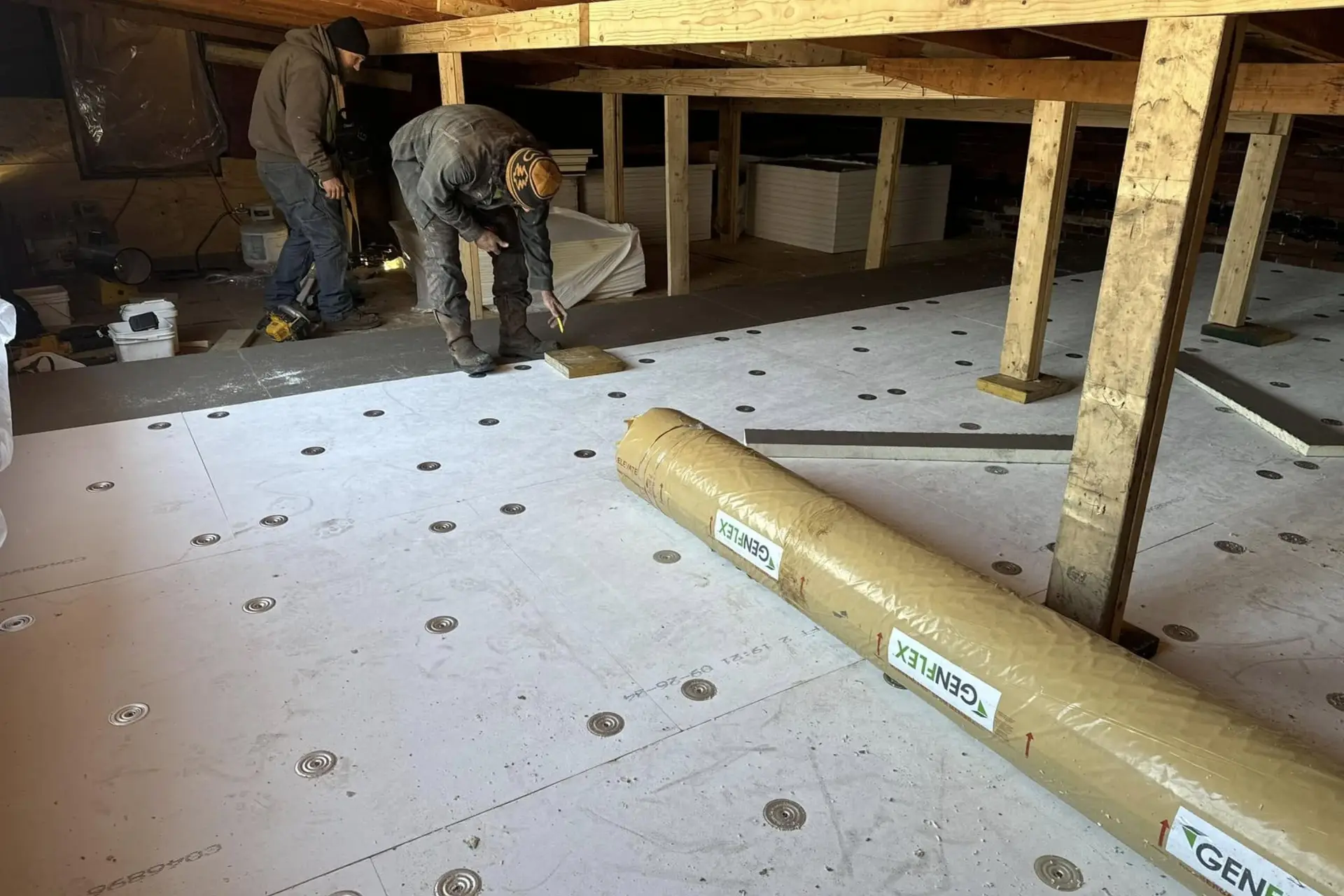
Commercial EPDM roof replacement & new roof construction in Renovo, PA. We rebuilt the deck, installed mechanically fastened insulation, added new scupper drainage, and repaired the masonry.
Historic Slate Roof Replacement
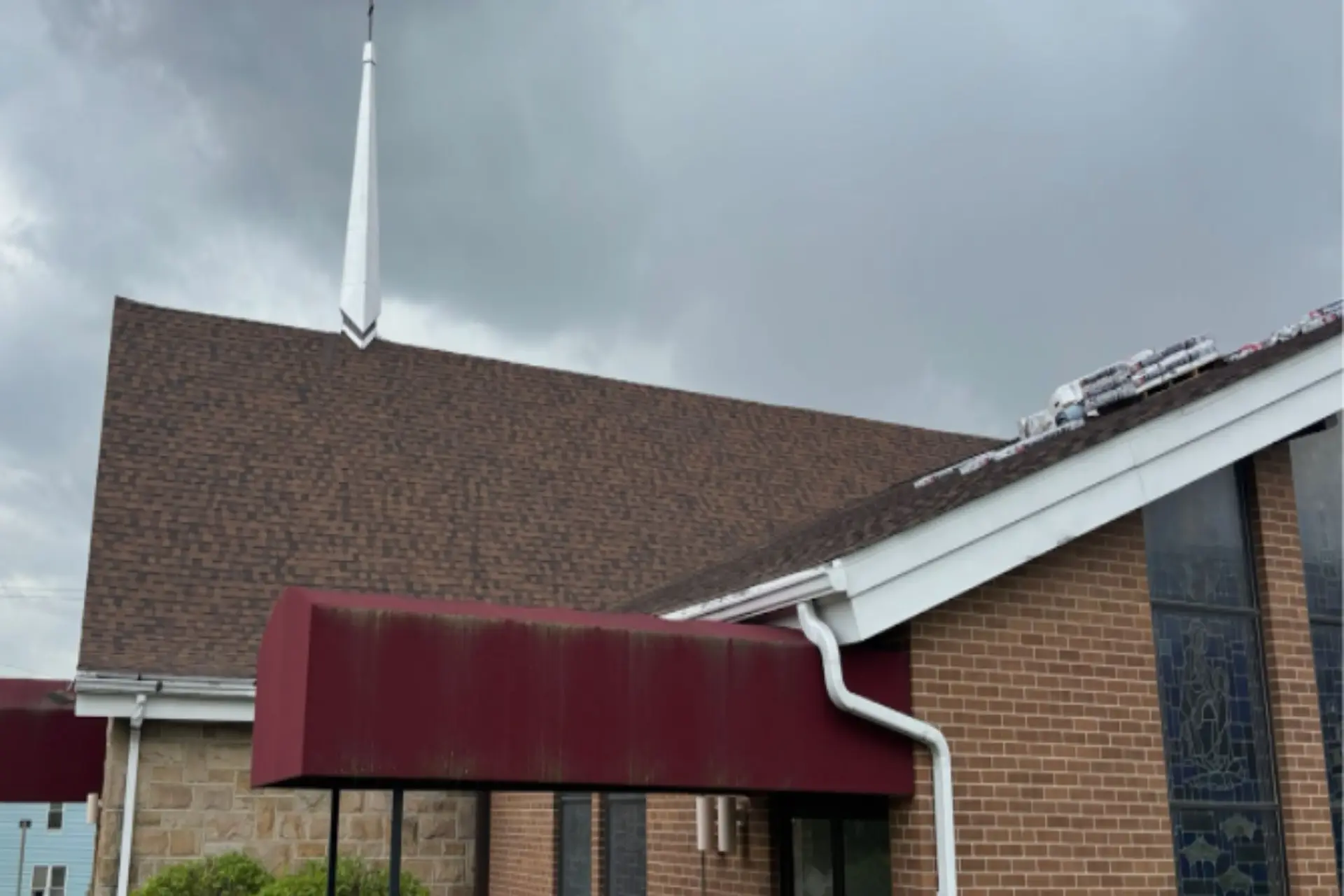
Commercial historic church re-roof in Houtzdale, PA by RTG Solutions involving a 14,700 SF shingle replacement plus 2,800 SF 60-mil EPDM with 20-year NDL warranty.
Historic Shingle Roof Repair
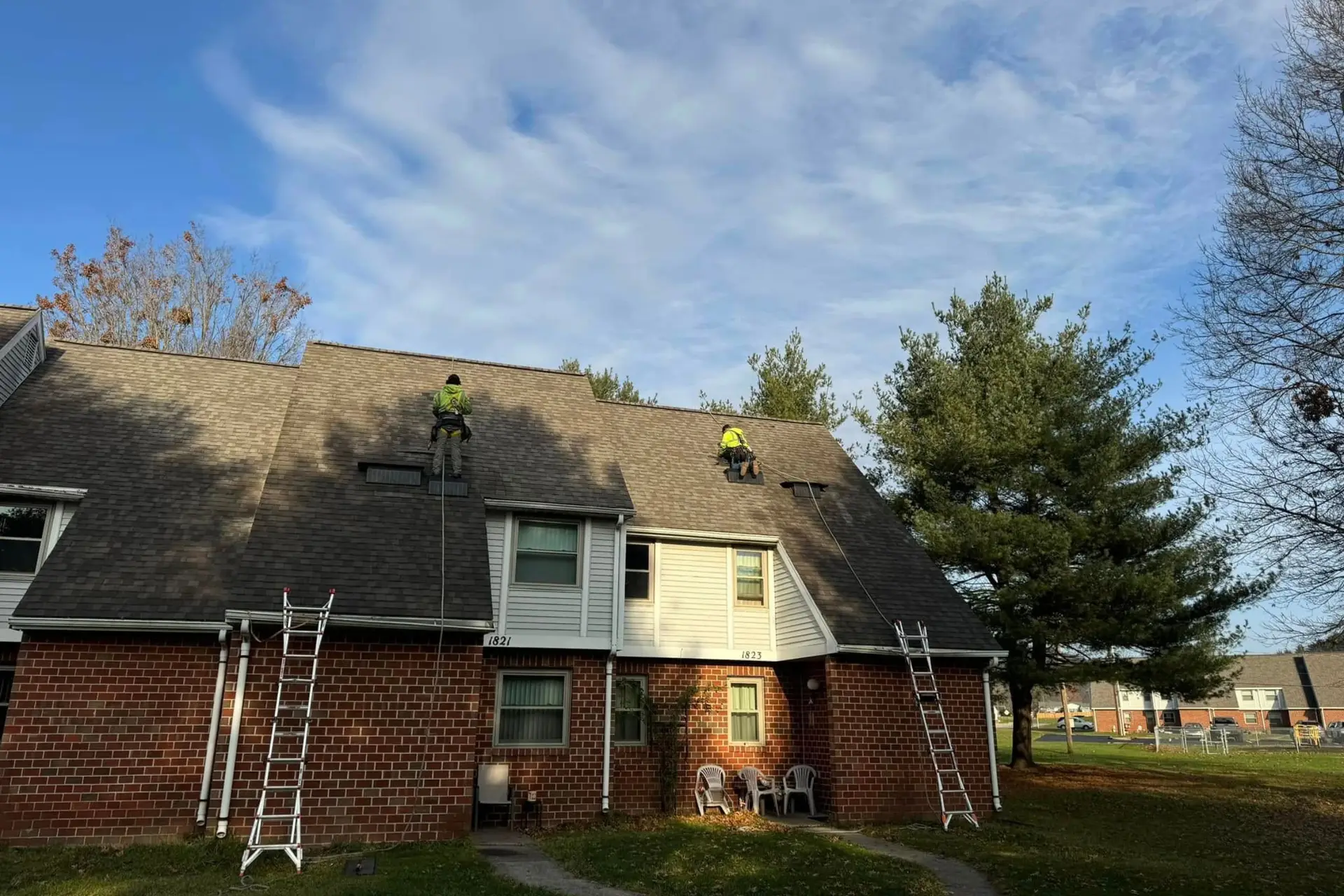
RTG Solutions completed shingle roof repairs in Lycoming County, PA, including valley flashing replacement at a roof to masonry junction to stop leaks.
What Clients Say About RTG’s Work
Restoration work has no room for surprises. These reviews come from property managers and organizations who needed the roof done carefully, communicated clearly, and finished without creating new problems for the building.
“I highly recommend RTG Solutions for anyone looking for a reliable and knowledgeable commercial roofing company in Pennsylvania. Their expertise in commercial roof repairs and full roof replacements is top-notch. “
Jeff S.
Client
“I have worked with many roofing contractors. RTG Solutions has by far been the best to work with. The communication was great start to finish. They were able to work with our schedule and made our project feel like a priority. The crew was great to work with and very knowledgeable. I will definitely be using them for future projects.”
Clay A.
Client
“It can feel difficult sometimes to find trusted companies that we can establish working relationships with. RTG is exceptional in this. They deeply care about their quality of work and taking care of their customers. If you are looking for a roofing company, look no longer!! These are the people!!!”
Rebecca M.
Client
Historic Roof Replacement FAQs

Historical Restoration FAQs
Historical roof restoration involves more than simply replacing old materials, it requires preserving the architectural integrity and original craftsmanship of the building.
At RTG Solutions, this means repairing or replicating features such as Ludowici terracotta tiles, slate roofing, copper flashing, and masonry parapets. Our restoration specialists carefully assess each roof to determine which elements must be preserved, repaired, or replaced while ensuring the roof system meets modern performance and warranty standards.
Yes. One of the most common concerns property owners have is whether historic roof restorations can comply with modern safety standards and roofing warranties.
Our team uses specialized techniques to reinforce existing structures, install new support systems, and integrate materials like EPDM or modified roofing without altering the building’s original appearance. This allows property owners to preserve history while enjoying the peace of mind of a modern warranty.
Not every roofing contractor has the expertise to handle historic buildings. Choosing a contractor without restoration experience risks damaging irreplaceable architectural features and can even disqualify a property from certain preservation grants or tax credits. RTG Solutions has successfully restored churches, government buildings, and other historic landmarks across Pennsylvania, combining technical skill with a deep respect for heritage. Our work often balances budget, preservation, and long-term performance, a critical combination for historical projects.
The materials chosen depend on the building’s age, original construction, and current condition. Common historic roofing materials include slate, terracotta tiles, copper, and wood framing. At RTG Solutions, we source historically accurate materials whenever possible and pair them with advanced underlayments, insulation, and flashing systems. For example, in our Maxwell Building restoration, we installed a new EPDM roof system while carefully repointing masonry and integrating new copper flashing, blending modern performance with timeless craftsmanship.
Historical roof restorations generally cost more than standard commercial roofing because of the level of care, materials sourcing, and craftsmanship involved. However, RTG Solutions frequently helps organizations reduce costs by finding efficient methods of preservation and leveraging our cooperative purchasing agreements (such as Omnia Partners). In some cases, our pricing has come in hundreds of thousands of dollars lower than competing bids, making restoration financially viable while preserving community heritage.